You know the moment: it’s January in Indy, you walk in with wet boots, and a week later your “light beige” carpet has a new personality. Or the dog has an accident in the same spot twice. Or you move a chair and realize the carpet looks like it’s been quietly collecting evidence for years.
If you’re comparing carpet cleaning services in Indianapolis this week, don’t start with price. Start with questions. The right cleaner can lift traffic lanes, handle pet odors correctly, and leave your home feeling genuinely fresh. The wrong one can leave residue that attracts dirt, over-wet the pad, and make spots reappear.
Use the 7 questions below to book confidently, whether you’re in North Indy, Carmel, Westfield, or Fishers, or you’re searching for carpet cleaning near me after a spill you’d rather not talk about.
Why the right questions matter for Indy homes:
Indianapolis homes deal with a mix that’s tough on carpets: slush and salt in winter, pollen in spring, humidity swings, and the occasional basement dampness after heavy rain. Indoor air matters here too. The EPA notes that people spend about 90% of their time indoors, and indoor pollutant levels can be 2–5 times higher than outdoors (sometimes more).
That’s why “just make it look better” is not a great standard. A good carpet cleaning service Indianapolis should be able to explain how they remove soil, control moisture, and avoid leaving behind sticky residues.
Also worth knowing: the EPA does not publish a universal “clean your carpet every X months” rule. Their guidance is to follow manufacturer recommendations and industry standards for keeping carpet clean to protect indoor air quality.
7 Questions To Ask Before You Book:
1) What cleaning method are you using, and why is it right for my carpet?
You’re listening for a real explanation, not a one-size-fits-all script. Many pros use hot water extraction (often called “steam cleaning”), but the best method depends on fiber type, how much oily soil is present, and whether there are pet or moisture issues.
Ask if they follow an industry standard. The ANSI/IICRC S100 standard lays out procedures and best practices for professional cleaning of textile floor coverings.
What a strong answer sounds like: “We’ll inspect the fiber and traffic lanes, choose a safe chemistry, and use a method designed to remove soil without over-wetting.”
2) How will you control moisture, and what’s the expected dry time?
Over-wetting is where a lot of “why does it smell worse now?” stories begin, especially in basements and older homes with humidity challenges.
CRI’s residential maintenance standard includes a practical benchmark: carpet should be dry within 12 hours, and if it stays wet past 12 hours, you should contact a professional.
Follow-up to ask: “What do you do if it’s still damp at hour 10?”
Look for answers involving extra extraction passes, air movers, dehumidification, and clear post-cleaning instructions.
3) Are your solutions and equipment independently tested?
This is an easy way to separate “professional” from “rented machine + hope.”
The Carpet and Rug Institute (CRI) runs the Seal of Approval program, which lab-tests cleaning products and equipment for effectiveness and carpet safety.
Simple ask: “Do you use CRI Seal of Approval products/equipment?”
Even if the cleaner doesn’t, the way they respond tells you a lot about their standards.
4) What’s your plan for stains, pet odors, and “spots that come back”?
In real homes, the hardest problems aren’t general soil. They’re specific issues: a pet accident that soaked into pad, a spilled protein drink, or a mystery spot that keeps reappearing after cleaning (often wicking from below the surface).
Ask how they diagnose and treat:
urine contamination (topical vs pad-level)
odor sources (carpet vs subfloor)
stain type identification (tannin, dye, oil, protein)
If you have area rugs, also ask whether they offer an off-site carpet washing service (often better for certain rug types) versus in-home extraction.
5) What’s included in the quoted price, and what costs extra?
This is where surprises happen. Get the scope in writing.
A clear quote should specify things like:
pre-vacuuming (yes/no)
moving light furniture (and what they won’t move)
stairs, landings, and hall pricing
spot treatment, deodorizer, protector (what’s included vs add-on)
If someone quotes you in 20 seconds with no questions, that’s a signal.
6) Are you insured, and what training or certifications do your technicians have?
You’re inviting professionalism here, not trying to play “gotcha.”
Ask:
“Are you insured for accidental damage?”
“Do your techs have IICRC training/certification or equivalent?”
The IICRC publishes ANSI-accredited standards widely used as best-practice guidelines across cleaning and restoration work.
A company doesn’t need fancy language, but they should have a real training system.
7) What should I do after cleaning the carpet to keep it looking good longer?
A quality provider will teach you simple maintenance that actually works.
Look for advice like:
Vacuuming frequency based on foot traffic
Using entry mats (especially in winter)
Blotting technique for spills (not rubbing)
When to schedule periodic deep cleaning
This is also where you’ll hear whether the cleaner thinks long-term. CRI describes residential carpet care as a combination of regular vacuuming, periodic deep cleaning, and prompt spot removal.
A quick note about “Steamatic” without the sales pitch:
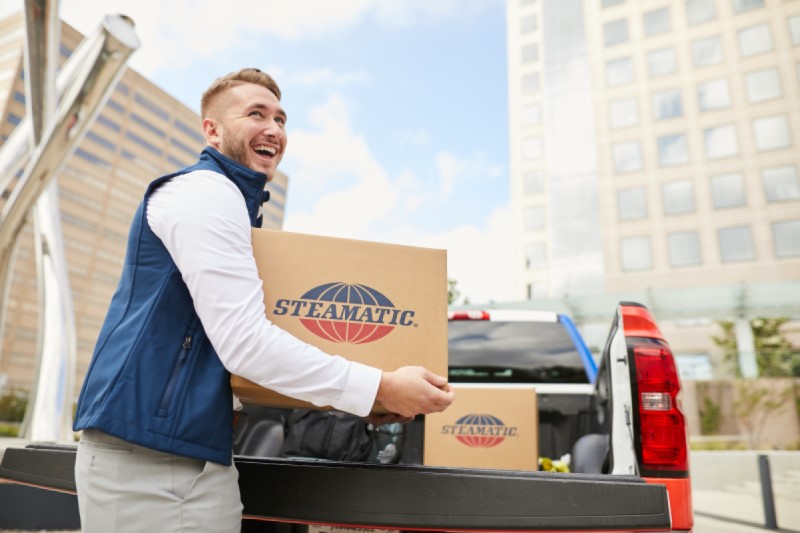
If you’re comparing providers and you’ve heard of Steamatic, it’s worth knowing that the company began in 1948 with carpet and rug cleaning before expanding into restoration work.
Longevity alone isn’t a guarantee, but it’s a reasonable reason to ask deeper questions about process, training, and standards.
If you want to see what a residential cleaning scope can look like (helpful for comparing apples to apples), here’s a reference page you can use as a checklist: Steamatic carpet cleaning
And if you’re in Hamilton County and searching for carpet cleaner noblesville, these same questions still apply. The best outcomes usually come from clear expectations, not the lowest quote.
Final Thoughts:
The “best” carpet cleaning services in Indianapolis aren’t defined by a coupon. They’re defined by method, moisture control, standards, and clear scope. Ask these 7 questions, listen for specific answers, and you’ll book a service that leaves your carpet cleaner now and easier to maintain later, whether you’re searching for carpet cleaning near me in a hurry or planning ahead for spring cleaning.