
You can see when carpet looks dirty. What’s harder to see is what gets ground in over time: fine dust, pollen, skin flakes, and moisture that settles deep into the pile. That matters because Americans spend about 90% of their time indoors, where certain pollutants can be 2–5x higher than outdoors. In a place like North Indy where basements, crawlspaces, and stormy weeks can bring extra humidity, carpet can quietly hold onto what you’d rather not breathe or smell.
So when your living room starts looking dull, the stairs have “traffic lanes,” or the basement rug feels musty, the real question becomes: is a rented machine and a Saturday afternoon enough, or do you need a carpet cleaning service Indianapolis? Let’s break it down in a practical, homeowner-first way.
What “clean” actually means for carpet (and why standards matter):
Carpet isn’t just a surface. It acts like a filter, trapping particles in the fibers so they stay out of your breathing zone, but only if you remove them through proper cleaning.
Industry standards exist for a reason. The IICRC (Institute of Inspection, Cleaning and Restoration Certification) publishes recognized standards for professional textile floor cleaning, including ANSI/IICRC S100. One helpful way to think about it is the “principles of cleaning” used in professional guidance: remove dry soil first, suspend soil, extract it, groom if needed, and dry thoroughly.
DIY carpet cleaning: where it works (and where it falls apart):
DIY is best when the problem is small and fresh:
A small spill you can blot quickly
A light “refresh” in a low-traffic room
A single spot treatment with careful rinsing and drying
The biggest DIY trap is residue and moisture.
Residue: Many spot cleaners and soaps leave residues that attract soil, which can make a “cleaned” patch look dirty again faster. The Carpet and Rug Institute specifically warns to rinse thoroughly to avoid residue that attracts soil.
Moisture: Over-wetting (especially with rentals that don’t extract strongly) is where DIY can turn into a bigger issue. Mold risk increases when materials stay damp. EPA guidance notes that if wet materials are dried within 24–48 hours, mold usually will not grow. That clock matters even more in basements or during humid stretches.
Professional cleaning: what you’re paying for (beyond “stronger suction”)
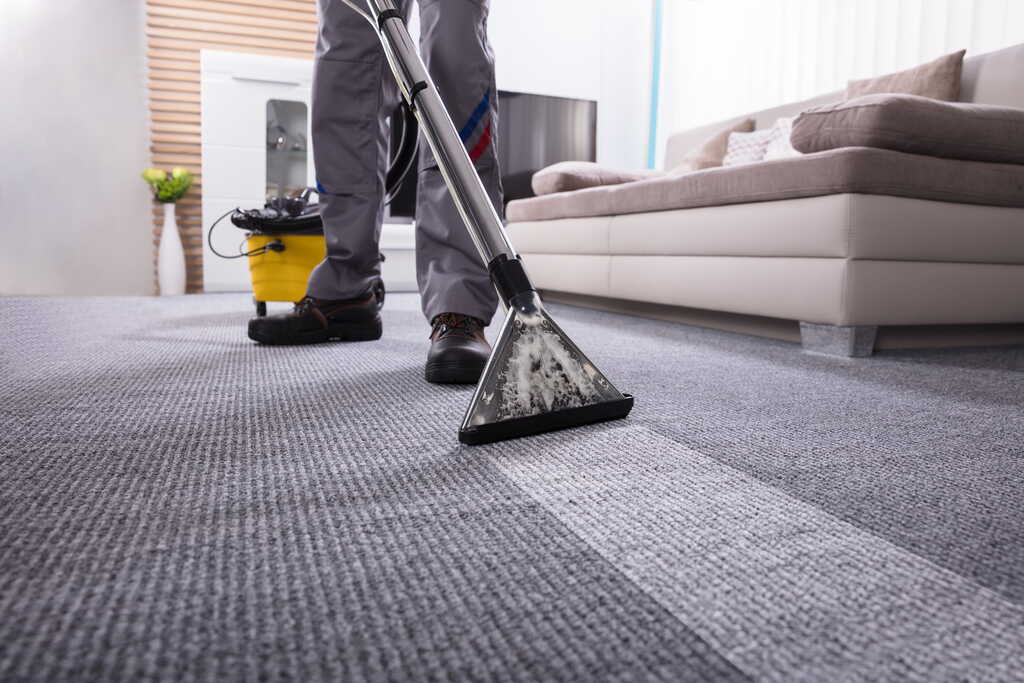
A true professional carpet cleaning services in Indianapolis isn’t just equipment. It’s process control:
- Dry soil removal first (deep vacuuming matters more than most people realize)
- Pre-treatment to loosen embedded grime (especially in traffic lanes)
- Hot water extraction or appropriate method based on carpet type and soil load
- Rinsing discipline so detergent doesn’t get left behind to attract new soil
- Drying strategy (airflow, humidity control, and “don’t put furniture back too fast” guidance)
The Carpet and Rug Institute also recommends professionally deep cleaning carpets about every 12–18 months for most homes, as part of maintenance and longevity.
The Indianapolis reality check: when DIY is risky:
Here are common North Indy situations where “good enough” DIY often misses:
Basement carpet or area rugs after dampness
If you’ve had seepage, a sump pump hiccup, or that “rainy-week smell,” speed and drying matter. EPA guidance emphasizes keeping indoor humidity ideally around 30–50% (and below 60%) to reduce mold risk. If your carpet padding stays damp, the odor can come back even after surface cleaning.
Pet accidents that keep returning
DIY can remove visible staining, but urine salts and residues can remain and re-activate with humidity. This is where targeted treatment plus extraction and drying discipline usually wins.
High-traffic lanes on stairs and hallways
These areas collect oily soil that bonds to fibers. Without strong extraction and correct rinsing, you may lighten the look temporarily but not truly remove what’s embedded.
“Carpet cleaning near me”: how to choose without getting burned:
When you search carpet cleaning near me, you’ll see a lot of options. Here’s what actually signals quality:
Training and standards: Ask if technicians follow IICRC guidance (ANSI/IICRC S100) or have IICRC certifications.
Method transparency: They should explain their process, not just quote a price per room.
Drying plan: They should tell you how they help carpets dry fast (especially important for basements).
Residue avoidance: They should explain how they rinse to avoid sticky residues that attract soil.
If you’re specifically looking for Steamatic carpet cleaning services, it’s also reasonable to choose an established restoration-and-cleaning company with documented processes. Steamatic, for example, began in 1948 with rug and carpet cleaning and expanded into water restoration after a major local flood event shaped the business. That kind of history often correlates with stronger moisture-control know-how, which matters when choosing a carpet cleaner Noblesville homeowners can trust.
DIY vs pro: a simple decision guide:
DIY is usually fine when:
It’s a small, fresh spill
You can rinse thoroughly and dry quickly
The carpet is low-pile and the room is well-ventilated
Call a pro when:
The carpet stayed wet or smells musty (especially basement/crawlspace areas)
Stains or odors keep returning
You have allergy-sensitive family members and want a deeper reset (paired with regular vacuuming and humidity control)
You’re preparing a home for listing, move-in, or rental turnover
If you’re comparing providers that market carpet washing services, look past the label and focus on process: extraction, rinsing, and drying.
FAQs: Carpet Cleaning Services vs DIY in Indianapolis:
Q1) How often should Indianapolis homeowners get carpets professionally cleaned?
Most homes benefit from a professional deep clean about every 12–18 months. If you have pets, kids, frequent guests, or a basement that runs humid, you may need it more often based on traffic and odor, not the calendar.
Q2) Are rental machines a good substitute for a professional cleaning?
They can help for light cleaning, but many homeowners struggle with two things: leaving cleaner residue behind (which attracts soil) and over-wetting (which slows drying). If you DIY, rinse carefully and prioritize fast drying.
Q3) What’s the fastest way to prevent mold if carpet gets wet?
Act immediately. EPA guidance notes that drying wet materials within 24–48 hours typically prevents mold growth. Use fans, dehumidification, and avoid trapping moisture under furniture or pads.
Q4) What should I ask a company before booking?
Ask what method they use for your carpet type, how they avoid residue, what drying steps they recommend, and whether they follow IICRC standards or employ IICRC-certified technicians.
Final Thoughts:
DIY can be smart for small messes, but a professional carpet cleaning service becomes the safer, more consistent choice when moisture, recurring odors, or heavy traffic are involved. For homeowners weighing carpet cleaning services in Indianapolis, the win is not “cleaner-looking carpet for a week.” It’s a repeatable process that removes embedded soil, avoids residue, and dries fast enough to prevent problems from coming back.