
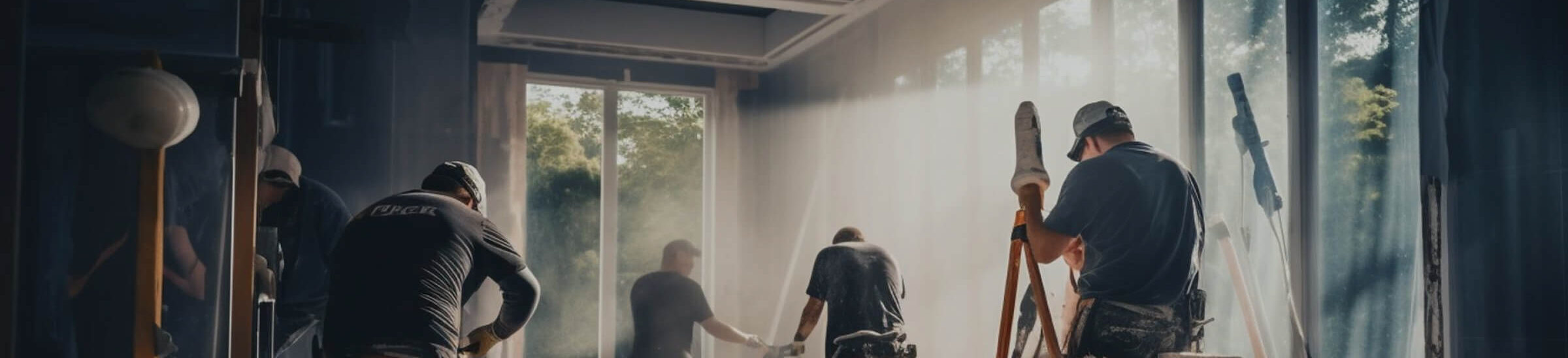
A house fire does not end when the flames go out. After the fire trucks leave, smoke, soot, and contaminated water are still moving through your home, quietly staining finishes, weakening materials, and polluting the air you breathe. Every hour they sit, the damage spreads. Acting quickly to bring in professional fire damage restoration services is not a luxury. It is how North Indianapolis homeowners protect their health, their equity, and the belongings they cannot replace.
Why Speed Matters More Than You Think After a House Fire:
National data show that cooking is the leading cause of home fires in the United States, with fire departments responding to about 170,000 home cooking fires in a single recent year. Many of those were “small” kitchen incidents, yet they still produced heavy smoke and soot that spread far beyond the stove.
For a single-family homeowner, condo resident, or small landlord, most of the cost after a fire often comes from this secondary damage, not from burned framing. Surfaces stain, residues harden, and hidden cavities collect moisture and soot. Fast, coordinated fire damage restoration limits those losses and can shorten the time your family or tenants are displaced.
Owners of older homes in North Indianapolis face extra risk. Aging wiring, chimneys, and framing create more pathways for smoke to travel. Without prompt fire restoration cleaning, those voids can hold odor and fine particles that bleed back into freshly painted rooms months later.
What Smoke and Soot Do in the First Minutes, Hours, and Days:
In the first hour,
Restoration experts often describe smoke damage on a clock. Within minutes of a fire, acidic soot begins to settle on plastic, appliances, and porous materials, leaving yellow or brown stains. White cabinets, fiberglass tubs, and plastic vanities can permanently discolour if that film is not removed quickly.
For condo and town home owners, this early staining can show up in hallways and shared areas even when the fire started in another unit. HOAs and property managers then have both resident complaints and potential fines to manage if stains and Odors linger.
After several hours to a couple of days,
In just a few hours, soot’s acidity begins to tarnish metals, etch glass, and stain grout. Upholstery, mattresses, and carpets start to hold odors deeply enough that basic cleaning will not remove them. Within a few days, experts note that smoke damage to clothing, drywall, and painted surfaces can become permanent, requiring replacement instead of cleaning. Owners of fine art, instruments, or custom finishes often have only a short window for specialists to stabilize and clean those items before stains and odors lock in.
For families with kids and pets, that timeline is unforgiving. Favorite stuffed animals, strollers, and pet beds can absorb residues that are not safe to keep without professional fire restoration cleaning. For short-term rental hosts, lingering odors in soft goods can lead to poor reviews and cancellations even after visible soot is wiped away.
In the weeks that follow,
Even when walls look clean, tiny particles and chemical residues can stay in the air and on surfaces for weeks or more. Health agencies warn that fine particles from smoke can travel deep into the lungs and worsen heart and lung disease, especially for seniors and people with asthma.
This is why professional fire damage restoration services often include HEPA air filtration, cleaning of HVAC ductwork, and careful deodorization, not just wiping walls. Done quickly, that work helps keep vulnerable family members, tenants, and clients safer while repairs are underway.
What a Rapid-Fire Damage Restoration Plan Should Include:
Every loss is different, but a solid plan from a qualified fire damage company usually covers four big areas:
Immediate safety and board-up: Securing doors, windows, and the roof to keep weather and trespassers out.
Water removal and drying: Extracting water from firefighting and setting up drying equipment to prevent mold.
Detailed inspection and cleaning scope: Documenting structural damage and mapping smoke, soot, and odor paths through the home.
Full fire damage restoration and contents care: Deep cleaning or removing affected materials, treating HVAC systems, and restoring or inventorying personal items.
For a small landlord, that plan might focus on getting one unit habitable again while more complex repairs continue elsewhere. For a home-based business owner running a studio, daycare, or salon, it may prioritize cleaning work areas and equipment so operations can resume safely.
If you live in a condo or townhome community, your plan should also align with HOA requirements. That often means coordinating with neighbors and managers so corridor, lobby, and mechanical-space cleaning happen at the same pace as work inside your unit.
Why Local Expertise Matters in North Indianapolis:
Fire codes, housing stock, and weather patterns differ by region. Working with restoration professionals who understand North Indianapolis building types and insurer expectations can shorten timelines and avoid costly surprises at inspection.
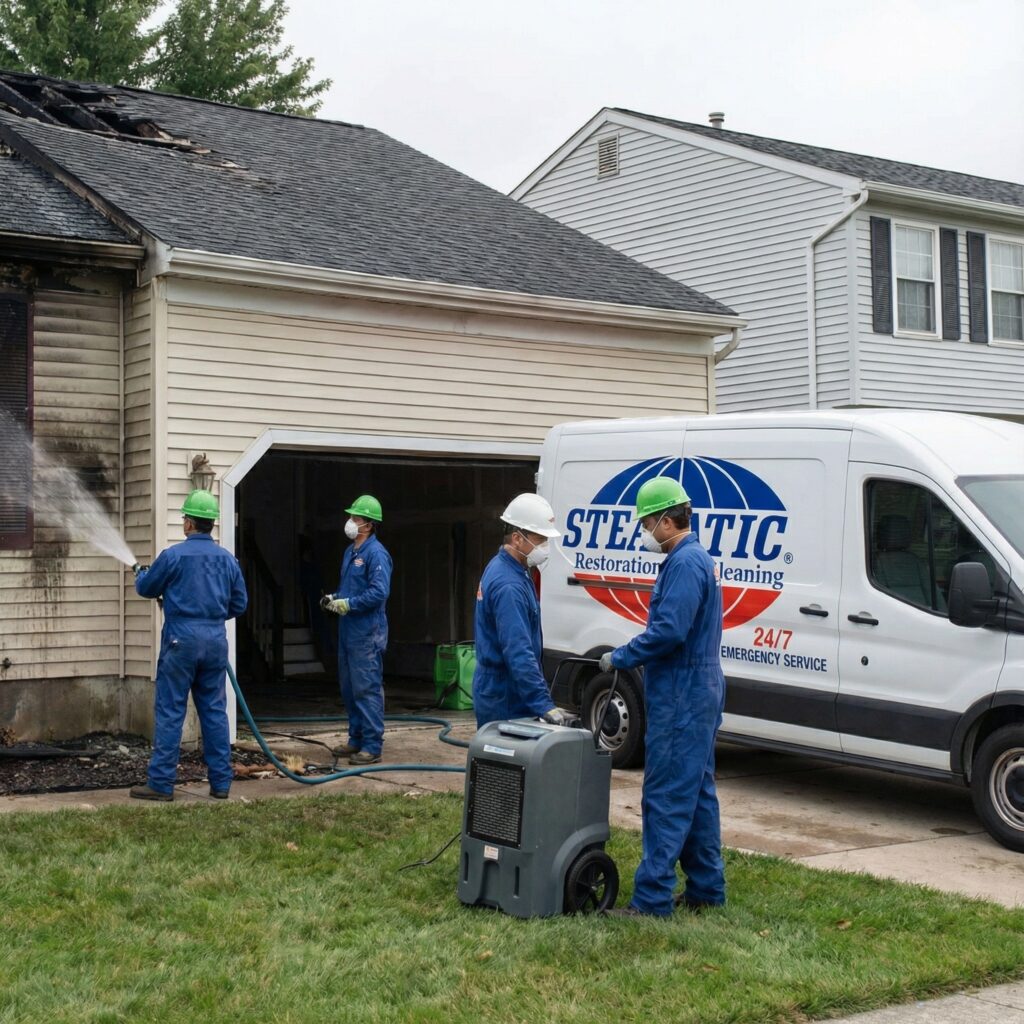
Homeowners and property managers in this area can reference resources from local restoration and cleaning experts such as Steamatic of Northern Indianapolis when evaluating fire damage remediation services and planning next steps.
Frequently Asked Questions:
Q1. What should I do after a house fire?
The first and most important step after a house fire is to wait until the fire department confirms the property is safe to re-enter—then call a professional fire damage restoration service immediately, ideally within the first 24 to 48 hours. In that critical window, acidic soot is already staining surfaces, smoke particles are traveling through HVAC ducts and porous materials, and firefighting water is creating secondary moisture damage that can lead to mold within days. While you wait for the restoration team, open windows if it is safe to do so, avoid touching or wiping soot-covered surfaces since that can smear and permanently set stains, and do not run the HVAC system as it can spread contamination further through the home. Your restoration company will handle board-up and securing the property, water extraction, full damage documentation, and contents care—and that documentation also supports your insurance claim, so acting fast protects both your home and your financial recovery.
Q2. Is it safe to stay in my home if there is only “minor” smoke damage?
Often, no. Even when damage looks light, smoke particles and residues can irritate lungs and eyes, especially for children, older adults, and people with asthma or heart disease. A professional fire damage restoration assessment can help you decide whether cleaning can happen while you remain in the home or if temporary relocation is safer.
Q3. How do I get rid of the fire smoke smell in my house?
Getting rid of the fire smoke smell properly requires more than airing out the house or using odor-masking sprays—those approaches layer fragrance over the contamination rather than removing it, and the smell almost always comes back. Smoke particles after a house fire are extremely fine and travel deep into porous materials like drywall, insulation, carpet, upholstery, and wood framing, as well as through HVAC ductwork into every room in the home. Effective smoke odor removal involves HEPA air filtration to capture airborne particles, professional cleaning of all affected surfaces with the right chemistry for each material type, thorough deodorization of soft contents, and cleaning or treating the HVAC system to prevent the smell from recirculating every time the system runs. A qualified fire damage restoration service has the equipment and process to address smoke odor at the source rather than masking it—which is why homes that use professional restoration consistently have far better long-term results than those that attempt DIY cleanup after a fire.
Q4. How does fast restoration help with insurance and resale value?
Insurers expect homeowners to take reasonable steps to prevent additional damage after a fire. Prompt fire damage restoration services show that you acted quickly, which can support your claim. Fast, professional cleanup also protects framing, finishes, and mechanical systems, which preserves more of your home’s resale value once repairs are complete.
Final Thoughts:A house fire is traumatic, but the real danger often lies in what happens after the flames are out. Fast, well-planned fire damage restoration services protect your health, limit structural damage, and save more of the belongings that matter most. Whether you own a single-family home, manage rentals, or live in a shared-wall community in North Indianapolis, having a clear plan and trusted experts on call can turn a devastating event into a recoverable one.