
When a storm tears through North Indianapolis, most homeowners look first for the obvious damage: missing shingles, broken branches, a leaning fence, or debris in the yard. But the real trouble often starts after the wind stops. Recent central Indiana storms have caused widespread wind damage, downed trees, utility line issues, and power outages, and Indiana still treats severe weather readiness as a major public-safety priority each year.
That is why fast wind damage restoration services matter so much after a storm. For homeowners searching for storm damage cleanup services in Indianapolis, quick action is not just about cleaning up the mess. It is about stopping hidden water intrusion, reducing safety risks, protecting the structure, and keeping a manageable repair from turning into a much bigger and more expensive problem.
The First Few Hours Matter More Than Most Homeowners Realize:
Not all storm damage comes from tornadoes. NOAA explains that damaging straight-line winds are often more common than tornado damage and that severe thunderstorm winds can exceed 50 to 60 mph. The National Weather Service in Indianapolis uses 58 mph as the threshold for a severe thunderstorm, and those winds are strong enough to create structural damage, especially to roofs, siding, gutters, trees, and power infrastructure.
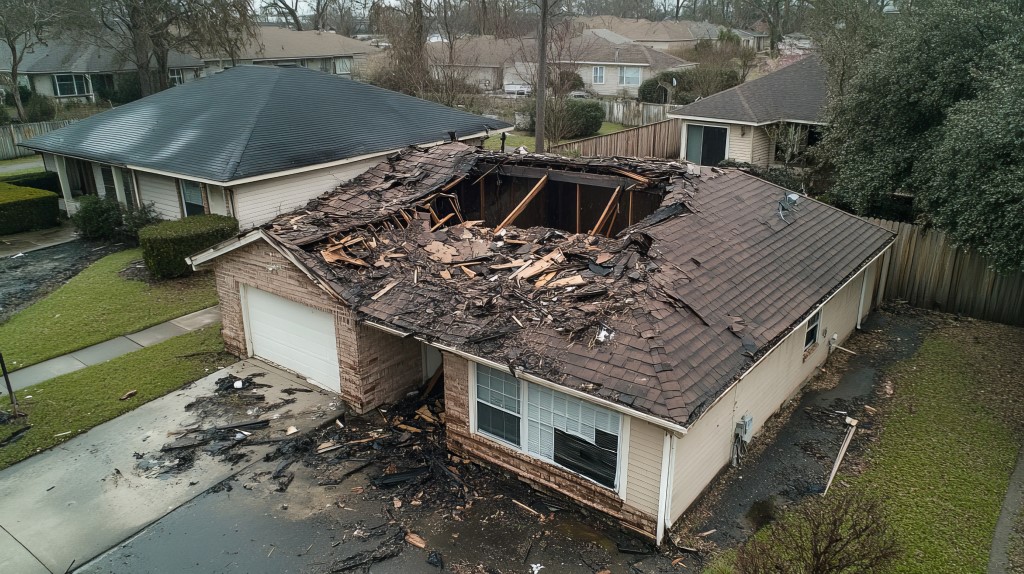
That matters because wind damage is not always dramatic at first glance. A roof does not need to be torn open to let water in. A few lifted shingles, loosened flashing, damaged siding, or a compromised window seal can be enough for wind-driven rain to reach insulation, drywall, ceilings, and flooring. In practical terms, that means the storm you think “just knocked a few things loose” may already be creating interior damage before stains or leaks become visible. Indiana’s Department of Insurance specifically notes that wind and wind-driven rain are commonly part of storm-related home claims.
Wind Damage Rarely Stays “Just Wind Damage”:
This is where speed becomes critical. Once water gets into building materials, the clock starts ticking. The CDC says mold grows where there is moisture and recommends drying a home fully and quickly, ideally within 24 to 48 hours after flooding or water intrusion. The agency also notes that damp and moldy environments can trigger coughing, wheezing, eye irritation, and more severe reactions in people with asthma or chronic lung conditions. In other words, delaying emergency wind damage repair can turn a roofing or exterior issue into an indoor air-quality issue.
Fast Restoration Protects More Than the Roof:
The biggest value of quick storm damage cleanup service is not cosmetic cleanup. It is containment.
A fast response helps limit how far the damage spreads. It can reduce the amount of water that reaches insulation, framing, ceilings, wall cavities, and flooring. It can also lower the chance that a small opening becomes warped wood, stained drywall, electrical concerns, or microbial growth. That is especially important in homes with older roofs, aging windows, finished basements, or crawlspaces where moisture can linger unnoticed. The first job after a storm is often not “repair everything.” It is “stop the damage from getting worse.”
Just as important, fast response supports safer decision-making. Indiana recovery guidance advises homeowners to make sure a building is safe before going back inside, check for loose power lines and gas leaks, and photograph damage before cleanup begins. Ready.gov also warns people to watch for fallen power lines and trees after thunderstorms. That means good storm damage cleanup services in Indianapolis should begin with safety, documentation, and stabilization, not guesswork.
Why Timing Also Matters for Insurance:
Fast action can also make the insurance process cleaner. The Indiana Department of Insurance recommends taking photos or video, making necessary temporary repairs to prevent further damage, and saving receipts. It also notes that wind and wind-driven rain are covered under most standard homeowners policies, while flood damage usually is not. That distinction matters. The longer a homeowner waits, the harder it can become to separate original storm damage from secondary damage caused by delay.
What Homeowners Should Do After a Wind Storm:
If your property has been hit by severe weather, a calm first response is better than a rushed one. Homeowners considering wind damage restoration services in Indiana should focus on a few smart priorities:
- Stay clear of downed lines, broken glass, unstable trees, and sagging roof sections.
- Take clear photos and videos before moving debris or starting cleanup.
- Arrange temporary protection, such as tarping or boarding, to stop additional water entry.
- Dry affected areas quickly if water has entered the home.
For readers who want a practical local example of the service scope involved after a storm, this overview of wind restoration in Indiana is a useful reference point.
Why This Matters in North Indianapolis:
In a place like central Indiana, storm season is not theoretical. The National Weather Service continues to emphasize preparedness statewide, and recent severe weather events in the region have already shown how quickly damaging winds can disrupt homes, neighborhoods, and utilities. For North Indianapolis homeowners, speed is not panic. It is prevention. Fast wind damage restoration services help reduce repair costs, shorten disruption, and protect the parts of a home that are easiest to overlook until the damage gets worse.
FAQs:
Q1. What should I do immediately after storm wind damage to my home?
The very first step after storm wind damage is to confirm the property is safe to approach—check for downed power lines, compromised structural sections, and gas leaks before re-entering, and contact your utility provider immediately if you suspect any hazard. Once it is safe, document everything with photos and video from multiple angles before touching or moving anything—capture roof damage, broken windows, fallen trees, interior water intrusion, and any damaged contents, since this documentation is the foundation of your insurance claim. Call a professional wind damage restoration service as soon as possible, ideally within the first few hours, to board up broken windows, tarp damaged roof sections, and prevent rain from entering and causing secondary water damage that compounds the original storm loss. While waiting for the restoration team, move valuables away from exposed areas if it is safe to do so, avoid walking on a potentially weakened roof or floor structure, and keep a written timeline of when the storm hit, when you discovered the damage, and every action you took—that timeline matters when your insurer reviews the claim.
Q2. Can wind damage cause water damage even if my roof looks mostly fine?
Yes. Wind-driven rain can enter through lifted shingles, damaged flashing, siding gaps, or compromised windows, even when the damage is not obvious from the ground.
Q3. Does homeowners insurance usually cover wind damage?
In many cases, yes. The Indiana Department of Insurance says damage caused by wind and wind-driven rain is covered under most standard homeowners policies, while flood damage usually is not.
Q4. How long does wind damage restoration take?
The timeline for wind damage restoration depends on the extent of structural damage, how quickly the property was secured after the storm, and whether secondary water damage occurred through breached roofing or broken windows. Emergency stabilization—boarding up openings, tarping the roof, and removing immediate hazards—typically happens within the first 24 to 48 hours. Structural drying, if rain intrusion occurred, usually takes 3 to 7 days with industrial equipment. Full repairs, including roofing, siding, windows, and interior finishes, can range from one to several weeks depending on the scope and material availability. The single biggest factor affecting the total timeline is how quickly a professional wind damage restoration service is called after the storm—properties that are stabilized and dried within the first 24 to 48 hours consistently require less structural repair, experience significantly lower mold risk, and move through the insurance approval process faster than properties where damage was left unaddressed for several days while homeowners waited to assess the full extent of the loss.
Q5. How do I find reliable storm damage restoration services near me?
Look for a licensed, insured company with strong local reviews, storm damage experience, and 24/7 emergency response. Also check if they help with insurance documentation and provide a clear inspection and written estimate before starting work.
Final Thoughts:
After a storm, waiting can be expensive. Fast wind damage restoration services are essential because they help stop hidden water intrusion, reduce mold risk, support safer cleanup, and keep minor exterior damage from becoming a larger home restoration project.