

Most homeowners know to clean the lint screen. Far fewer think about the vent line hidden behind the dryer, the long duct that pushes heat, moisture, and lint outside. That blind spot matters more than people realize. NFPA data shows U.S. fire departments respond to an estimated 13,820 home dryer fires per year, and failure to clean is the leading factor behind them. The U.S. Consumer Product Safety Commission also warns that lint buildup in the exhaust duct can block airflow, trap heat, and lead to fire.
That is why dryer vent cleaning service is not just a maintenance chore. It is a safety step. For homeowners researching an Indianapolis dryer vent cleaning service, the bigger question is not whether the vent gets dirty. It does. The real question is how long it has been quietly collecting lint, moisture, and heat inside your home.
Why the Dryer Vent Matters More Than Most People Think:
A dryer does more than tumble clothes. It also moves hot, moisture-heavy air out of the house. The U.S. Department of Energy’s Building America guidance notes that a clothes dryer can vent about a gallon of water during a typical load. If that airflow is restricted, your dryer has to work harder, run longer, and heat up more than it should. That is bad for efficiency, bad for the appliance, and potentially dangerous for the home.
NFPA’s research helps explain why this problem deserves more attention. In its 2014 to 2018 averages, one-third of dryer fires were caused by failure to clean, and 27% started when dust, fiber, or lint ignited. In other words, the hidden buildup is not a side issue. It is often the issue.
How a Clogged Vent Turns Into a Fire Risk:
The risk builds slowly. Lint collects inside the duct. Airflow drops. Heat stays trapped longer. The dryer runs hotter and longer to finish the same job. CPSC warns that lint in the exhaust duct can block airflow and cause excessive heat buildup. Building America adds that long runs, upward angles, kinks, crushed ducts, and rough interior surfaces all make lint accumulation more likely.
That is why a dryer that suddenly feels “a little slower” should not be brushed off. It may not be an aging appliance at all. It may be a vent problem. CPSC specifically notes that clothes still damp at the end of a normal cycle or longer-than-usual drying times can signal a blocked lint screen or exhaust duct.
Warning Signs Many Homeowners Miss:
Clothes take more than one cycle to dry
The dryer or laundry room feels unusually hot
You notice a burning smell or stale, humid air
The outside vent flap barely opens when the dryer is running
Many people start with a search for dryer vent cleaning service near me only after one of those warning signs appears. The smarter move is to act before the warning turns into overheating, breakdown, or worse.
Which Homes Usually Need Dryer Vent Attention Sooner:
Some homes need service more often than others. Large families run more loads. Pet owners deal with added hair and fibers. Older homes may have longer, less efficient duct routes. Second-floor laundry setups can involve more bends or vertical runs, which slows airflow and gives lint more places to collect. Building America guidance is clear that short, straight, smooth metal duct runs perform best.
This also matters for landlords, short-term rental hosts, and property managers. A blocked vent is not just a maintenance inconvenience. It can lead to tenant complaints, longer dry times, higher utility use, and unnecessary wear on the machine. Among all the routine cleaning services Indiana homeowners and property owners schedule, dryer vent maintenance is one of the easiest to overlook and one of the hardest to ignore once problems begin.
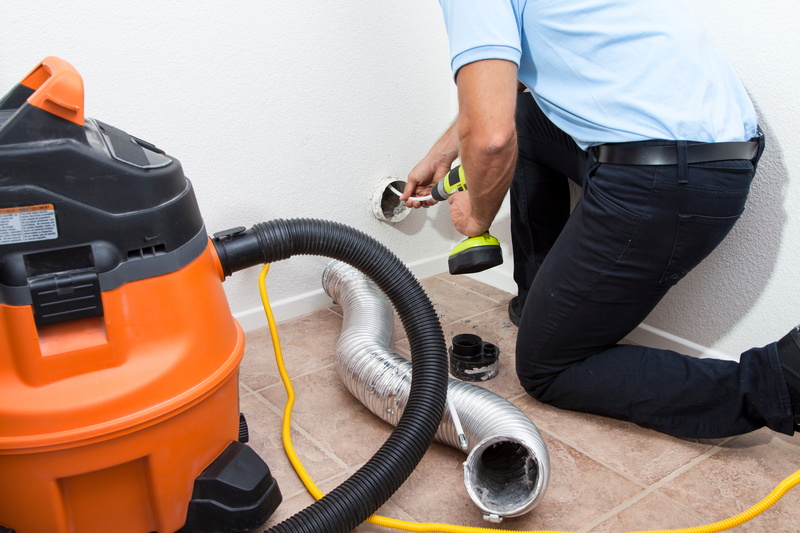
What a Safer Dryer Vent Setup Looks Like:
A proper setup is usually simpler than people think. According to Building America and code-based guidance, the exhaust duct should generally be rigid or semi-rigid metal, 4 inches in diameter, and no more than 35 feet in developed length, with deductions for bends. It should vent directly outdoors, not into an attic, crawlspace, or garage. Screens at the end of the duct should not be used because they can trap lint. Plastic or foil accordion-style ducts are also discouraged because they kink easily and collect debris faster.
If you are comparing a dryer vent cleaning company or trying to evaluate a dryer vent cleaning company Indiana homeowners would reasonably trust, this is the kind of detail that matters. Good service is not only about removing lint. It is also about spotting crushed ductwork, poor vent routing, unsafe materials, and airflow restrictions that keep causing the same problem again.
DIY Habits Help, but They Do Not Replace Full Vent Cleaning:
Homeowners absolutely should clean the lint screen every load. That simple habit still matters. Consumer Reports recommends cleaning the lint screen after every load, and both CPSC and Building America guidance support frequent lint-filter cleaning plus periodic attention to the vent, the area behind the dryer, and the dryer interior. Building America also recommends having the exhaust duct professionally cleaned at least once a year. Homes with heavier laundry volume, pets, or longer duct runs may need it sooner.
For local readers who want a straightforward overview of what that service involves, this Indianapolis dryer vent cleaning service page is a useful reference point. And if you are already looking for a dryer vent cleaning service, treat slower drying times as an early warning, not a small annoyance.
Frequently Asked Questions:
Q1) Can a clogged dryer vent cause a fire?
Yes—a clogged dryer vent is one of the most common and underestimated fire risks in a home. The NFPA reports that dryers are responsible for approximately 16,000 home structure fires every year in the United States, and failure to clean the dryer vent is consistently cited as the leading contributing factor. The mechanism is straightforward—lint is highly flammable, and when it accumulates inside the vent duct, it restricts airflow and causes heat to build up around the exhaust system to the point where ignition can occur. The danger is compounded by the fact that the lint buildup happens gradually and invisibly inside the duct run, so many homeowners have no warning until the dryer takes longer to dry clothes or produces a burning smell—both of which are signals that a professional dryer vent cleaning service should be called immediately. Unlike a smoke alarm that goes off instantly, a clogged dryer vent is a slow, hidden hazard that gets worse every load.
Q2) How often should dryer vents be cleaned?
Most homes should have their dryer vent professionally cleaned at least once a year—this is the baseline recommendation from the NFPA and most appliance manufacturers, and it applies to average households doing four to five loads of laundry per week with a standard vent run length. Households that do laundry more frequently, have longer or more complex vent duct runs with multiple bends, dry bulky items like towels and bedding regularly, or have pets whose fur and dander accumulate heavily in lint traps should consider cleaning every six months. A professional dryer vent cleaning service not only removes lint from the duct but also inspects the vent path for kinks, bird nests, disconnected sections, and exterior flap damage—all of which can restrict airflow just as severely as lint and go unnoticed by homeowners cleaning only the visible lint trap. Cleaning the lint trap after every load is important but does not replace annual duct cleaning, since a significant portion of lint bypasses the trap and accumulates inside the duct over time.
Q3) What is the biggest sign my dryer vent may be clogged?
Longer drying times are one of the clearest warning signs. If clothes stay damp after a normal cycle, CPSC says that can indicate a blocked lint screen or exhaust duct.
Q4) Are flexible foil or plastic dryer ducts safe?
They are not the best choice. CPSC and code-based guidance favor rigid or semi-rigid metal ducts because plastic and foil styles can kink, trap lint, and reduce airflow more easily.
Q5) Can I clean my dryer vent myself or should I hire a professional?
You can handle basic maintenance yourself, like cleaning the lint trap and checking the outside vent opening. But for a full dryer vent cleaning, especially if the vent is long, clogged, or hard to reach, hiring a professional is the safer and more effective option.
Final Thoughts:
The danger with dryer vents is that the problem stays out of sight until it affects drying time, energy use, or home safety. A clogged vent can look minor from the outside while becoming a real fire hazard behind the wall. That is why scheduling a dryer vent cleaning service is not overreacting. It is one of the simplest ways to protect your home, your appliances, and your peace of mind.