If you’ve ever dusted your shelves, changed your HVAC filter, and still wondered where all the dust comes from, you’re not alone. In many North Indy homes, the heating and cooling system quietly moves thousands of gallons of air every day through supply and return ducts, picking up what life leaves behind: pollen, pet dander, construction grit, and the fine particles that settle in basements and crawlspaces. That’s why air duct cleaning services in Indianapolis are often top of mind for homeowners trying to keep their indoor air feeling fresher.
Indoor air matters more than most people realize. The EPA notes that people spend about 90% of their time indoors and that concentrations of some pollutants can be 2 to 5 times higher indoors than typical outdoor levels.
The problem with “quick” duct cleaning:
Not all duct cleaning is equal. The biggest difference usually comes down to one question: does the provider remove contaminants from the system, or just stir them up?
The EPA is blunt about expectations. Duct cleaning has not been shown to prevent health problems for everyone, and studies do not conclusively show that dust levels in homes rise because ducts are dirty or fall after cleaning. That doesn’t mean duct cleaning is pointless. It means the value is situational, and the method matters.
Also important: the EPA warns that failing to clean a contaminated component can lead to the recontamination of the entire system. So a “vents-only” job can look productive without actually being thorough.
When duct cleaning actually makes sense:
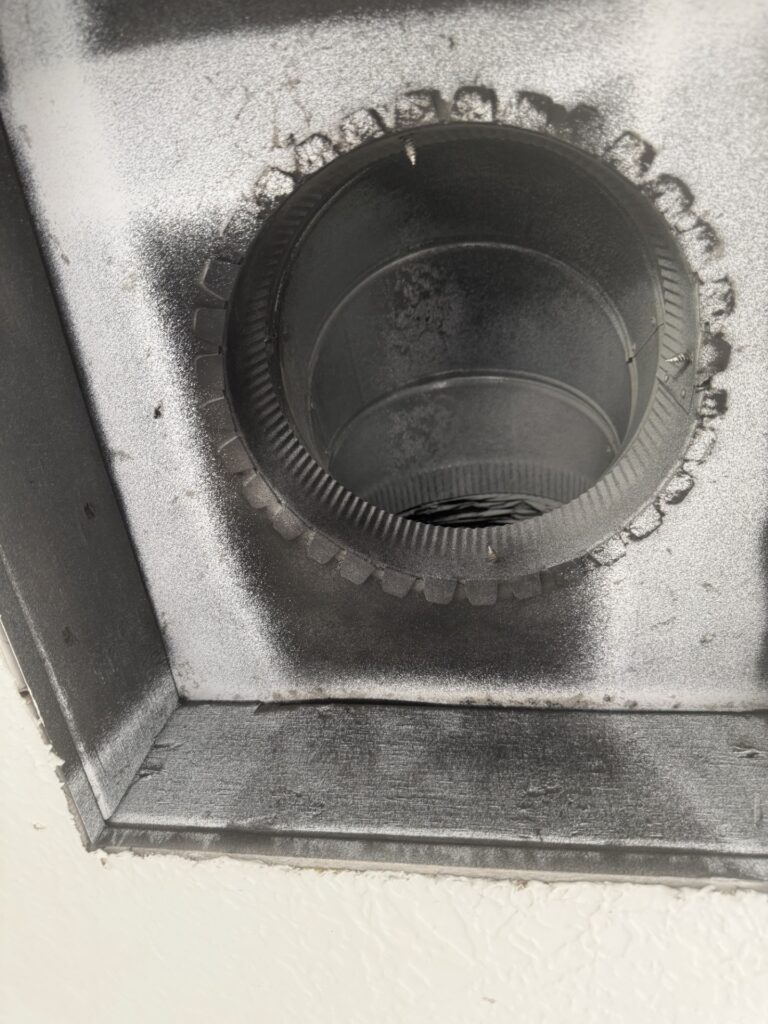
Instead of treating duct cleaning like an annual routine, the most defensible approach is to do it when there’s a real reason. EPA guidance commonly points to scenarios like:
Visible mold in ducts or HVAC components
Evidence of pests/vermin
Ducts clogged with substantial dust and debris
In the real world around North Indianapolis, these situations often show up after a renovation, a roof leak that drove moisture into the system, a long period of vacancy, or a basement humidity problem that never quite got addressed.
A proven duct cleaning process, step by step:
A high-quality duct cleaning is closer to “HVAC hygiene” than a surface clean. The goal is to keep loosened debris from escaping into the home while it’s being removed.
1) Pre-inspection that defines scope (and avoids surprises)
A legitimate Indianapolis professional duct cleaning services provider should start with a walkthrough and a system check: supply and return layout, accessible components, filter condition, and any signs of moisture or microbial growth. This step keeps the plan realistic and reduces the risk of missed sections.
2) Containment and negative pressure (so dust goes out, not into your rooms)
The NADCA ACR standard describes placing the HVAC component or area being cleaned under negative pressure during cleaning activities to prevent particulate migration out of the system. In plain English: you want the system pulling debris toward collection equipment, not pushing it into your living space.
This is also where equipment choice matters. Steamatic describes cleaning designed to remove dust, allergens, and contaminants from HVAC systems and ducts. Many Steamatic locations also describe using source-removal agitation tools paired with “negative air units” that extract loosened debris rather than redistributing it.
3) Source removal, not “blow and go”
NADCA describes “source removal” as loosening contamination with agitation devices such as brushes, air whips, and compressed-air nozzles, then capturing the debris. This matters because dust in ductwork often clings to surfaces. The right technique is controlled agitation plus continuous capture.
4) Full-system cleaning, not just visible registers
A duct system is more than vents. The EPA notes that cleaning should include all components of the system and warns that skipping contaminated parts can re-contaminate the whole setup.
A practical “full-system” mindset typically includes:
Supply and return ducts
Registers and grilles
Air handler cabinet areas that collect debris
Coils/drain areas when accessible and relevant (especially where moisture is a known issue)
5) Verification you can understand
The best projects end with clear proof: photos, a walk-through of what was cleaned, and what was found. This is especially useful for older homes (15+ years) where returns may pull air from lower levels, and dust patterns can be very different than newer construction.
So what makes Steamatic duct cleaning “different,” in a way that actually matters?:
If you strip away the marketing, the meaningful differences come down to alignment with standards and good HVAC realities:
System thinking over vent thinking. The process is framed as cleaning the HVAC pathway, not just the room-facing openings, which matches EPA guidance about re-contamination risk when components are skipped.
Controlled capture. Steamatic’s HVAC/duct cleaning positioning centers on removing contaminants at the source, and many locations describe negative air extraction paired with agitation tools.
Method discipline. The combination of negative pressure and source removal is consistent with what NADCA describes as proper cleaning methods.
A homeowner’s checklist before booking duct cleaning in North Indy:
Whether you choose steamatic air duct cleaning or another provider, ask questions that reveal the method:
- Will you place the system under negative pressure during cleaning? (This is a containment issue, not a buzzword.)
- Are you cleaning the whole system, not just the ducts I can see?
- What agitation/source-removal tools will you use, and how do you prevent debris from escaping?
- What findings would change the scope (for example, moisture, insulation issues, or suspected microbial growth)?
- How will you document the work (photos, checklist, walkthrough)?
FAQs: Air Duct Cleaning Services in Indianapolis:
Q1) What should I look for when choosing an air duct cleaning service?
Look for a company with strong reviews, clear pricing, proper equipment, and technicians who inspect the full HVAC system, not just the vents. A reliable air duct cleaning company should be transparent about the process and help improve airflow, cleanliness, and indoor air quality.
Q2) Is air duct cleaning worth it?
Yes, air duct cleaning is worth it—but only when there’s a real reason to do it, such as after a renovation, pest infestation, or moisture issue, or if the system hasn’t been cleaned in over a decade. The EPA does not recommend it as a routine annual service for well-maintained homes, since dirty ducts don’t automatically mean poor air quality. However, when a problem exists, a professional air duct cleaning service using negative pressure and full-system source removal makes a genuine difference. The key is the method—a thorough process that removes contaminants at the source outperforms a quick “vents-only” job every time.
Q3) Will duct cleaning lower dust in my home?
It can help in homes where ducts are genuinely contaminated or clogged, but results vary. The EPA notes dust in ducts often sticks to surfaces and doesn’t always enter living spaces, so the bigger win is targeting a real problem (like post-renovation debris or pest residue).
Q4) How long does air duct cleaning take??
For most homes, a professional air duct cleaning takes between 2 to 4 hours, depending on the size of the home, the number of vents, and the condition of the ductwork. Larger homes or systems with significant buildup—such as post-renovation debris or long-term neglect—can take up to 6 hours to clean properly. A thorough job covers the full HVAC system, not just the visible registers, which naturally takes more time than a quick vents-only visit. If a technician quotes you under an hour for a whole-home job, that’s a red flag that the cleaning won’t be done to a proper standard.
Final Thoughts:
Done the right way, air duct cleaning services in Indianapolis are not about chasing a “miracle air quality fix.” They’re about using a proven, standards-aligned process to remove buildup when there’s a clear reason to do it and doing it without spreading debris through the home. That’s the real difference behind steamatic air duct cleaning method, containment, and full-system thinking.